
The Future of Business News is unfolding today, as technology, audience expectations, and market dynamics reshape how stories are found, told, and monetized across digital ecosystems and evolving newsroom cultures. AI in journalism is accelerating research, improving accuracy, and freeing reporters to focus on deeper analysis while enabling editorial teams to reallocate time to complex investigations. Data-driven reporting will become the backbone of credible coverage, with dashboards, earnings data, and macro signals guiding enterprise storytelling, revealing patterns, anomalies, and opportunities for readers. A rapid digital transformation across media will enable multiplatform delivery, from websites and newsletters to podcasts and video, ensuring audiences can access insights on demand. Outlets that embrace these shifts can build trust with readers, investors, and decision-makers while delivering timely, context-rich insights that inform decisions and shape markets.
A broader shift is reshaping how business information is produced and consumed, with smarter tooling, faster data intake, and automated checks changing newsroom routines. Rather than a single channel, audiences now expect a spectrum of formats—live dashboards, visual explainers, podcasts, and interactive briefs—that translate complex numbers into actionable takeaways. This evolution benefits readers and decision-makers alike by combining rigorous sourcing with scalable distribution and transparent data provenance. As outlets experiment with partnerships, memberships, and data services, the emphasis moves toward trust, clarity, and ongoing learning.
Future of Business News: AI, Automation, and Data-Driven Reporting Reshaping Coverage
The Future of Business News is being shaped today by AI in journalism, which speeds up evidence gathering from earnings reports, regulatory filings, and market data. Automated drafting and smart summarization shorten the time to first report, while AI-powered fact-checking helps uphold credibility. At the same time, automation in newsrooms handles routine tasks such as data loading, dashboard updates, and calendar monitoring, freeing editors and reporters to focus on investigation and context. This shift aligns with the core promise of data-driven reporting: turning raw numbers into timely, decision-ready insights for investors and executives.
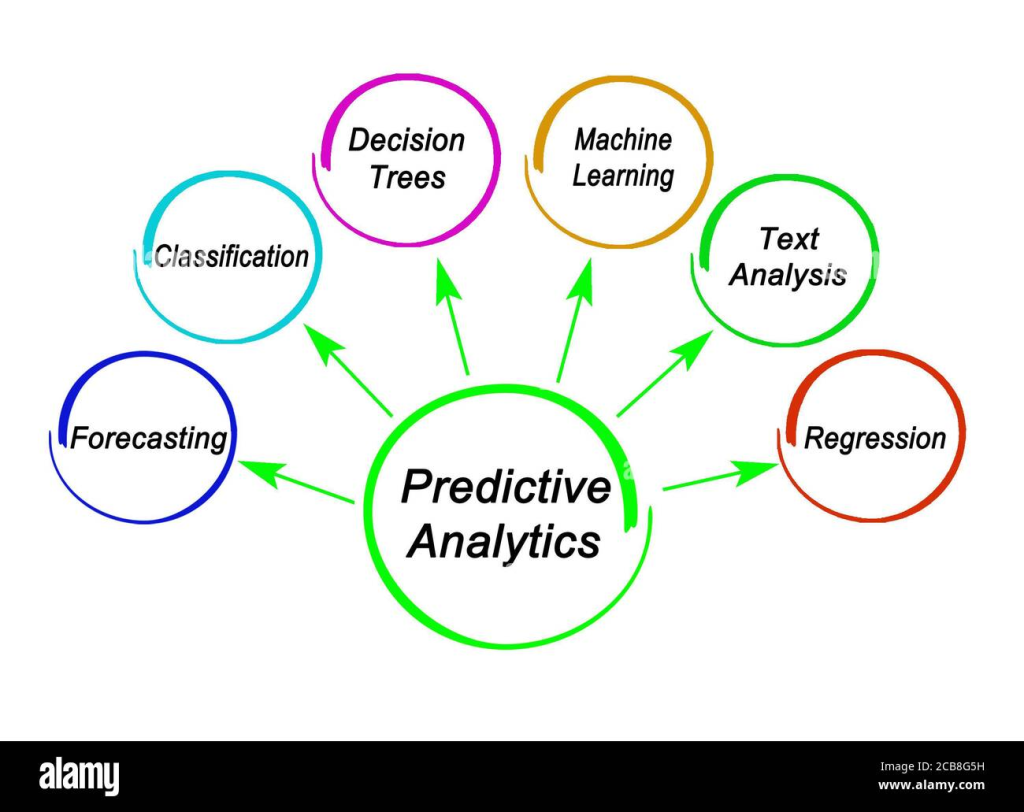
To remain credible in a fast-moving environment, outlets must pair AI insights with rigorous editorial standards. Data-driven reporting becomes a competitive differentiator as journalists blend earnings analysis with cross-referenced data from trusted databases. In addition, predictive analytics in journalism enables scenario planning—illustrating potential market risk, earnings trajectories, and regulatory developments before they fully unfold—while maintaining transparency about data provenance and uncertainty. As media industry trends evolve, journalists who balance automation with human judgment will deliver context-rich stories investors trust.
Data-Driven Narratives and Multiplatform Delivery: Embracing Digital Transformation in Media
Data-driven storytelling is at the heart of the digital transformation in media, enabling readers to interact with dashboards, heat maps, and visualizations that illuminate complex trends in earnings, inflation, and supply chains. Multiplatform delivery means this analysis reaches audiences where they are—on mobile, in newsletters, on social feeds, or in video explainers—creating a cohesive brand experience across channels while satisfying the demand for speed and context. This approach reflects ongoing media industry trends toward modular content and data-centric reporting that scales across platforms.
Beyond readership, the multiplatform model expands revenue opportunities through memberships, premium data access, and live events, all underpinned by robust data governance and transparent methodologies. The fusion of data visualizations with narrative explainers supports predictive analytics in journalism and helps editors anticipate coverage priorities, tailoring products for investors, policymakers, and business decision-makers. In this digital transformation era, automation in newsrooms remains a partner rather than a replacement, ensuring speed and accuracy while preserving human judgment and ethical standards in line with broader media industry trends.
Frequently Asked Questions
What role will AI in journalism and automation in newsrooms play in shaping the Future of Business News?
In the Future of Business News, AI in journalism and automation in newsrooms speed up data gathering from earnings, filings, and market data. Automated drafting and smart summaries provide first‑pass content, while editors add context and verify sources to maintain credibility. Automation handles routine tasks like data loading and dashboard updates, reducing turnaround time. However, human judgment and transparent sourcing remain essential, and successful outlets combine automation with strong editorial standards and ongoing reporter training.
How do data-driven reporting, predictive analytics in journalism, and digital transformation in media relate to the Future of Business News amid media industry trends?
Data-driven reporting and predictive analytics in journalism enable evidence‑based storytelling and risk assessment in the Future of Business News. Journalists use corporate filings, price data, and macro indicators to build insights, with interactive dashboards and visualizations inviting reader exploration. Digital transformation in media supports multiplatform delivery—web, newsletters, podcasts, video—while preserving data provenance and transparent methods. Trust comes from clear data notes and ethical data use, and sustainable business models rely on subscriptions and data licensing aligned with audience value.
| Trend/Area | Key Points |
|---|---|
| AI in Journalism and the Automation of the Newsroom | AI speeds up research, enhances accuracy, and frees reporters to focus on analysis; automates routine tasks; AI-assisted drafting and fact-checking; human editors remain essential for interpretation and verification. |
| Data-Driven Reporting and Visualization | Data lies at the heart of modern stories; use corporate filings, financials, supply chain data, price movements, and macro indicators; interactive dashboards and visualizations invite reader exploration; transparency about data sources and methods; predictive analytics help forecast scenarios. |
| Digital Transformation and Multiplatform Delivery | Digital transformation enables multi-platform delivery (web, newsletters, podcasts, video, social); robust CMS and modular content; cross-platform workflows; diversified revenue models like memberships, events, sponsorships; consistent brand across channels. |
| Trust, Credibility, and Ethical Journalism | Trust and ethics are central: transparent sourcing and reproducible data; clear provenance notes; human oversight and diverse sources; careful language around uncertainty; ethics as a competitive edge. |
| Business Models, Revenue and Audience Engagement | Revenue and engagement: subscriptions, memberships, premium data, live events; direct-to-consumer models; data licensing and platform partnerships; audience input informs coverage priorities. |
| Global Trends and Local Relevance | Global trends with local relevance: macro analysis paired with regional reporting; localization adds context without dumbing down; actionable insights for regional executives, SMEs, startups. |
| Talent, Skills, and the Workforce of the Future | Talent and skills: mix of journalism craft and technical fluency; data visualization proficiency; collaboration with engineers; training in data literacy, programming basics, and ethical AI; cross-disciplinary teams. |
Summary
Future of Business News is a holistic transformation of how information is created, packaged, and delivered in today’s digital media landscape. The trends described—AI-enabled research and automation, data-driven storytelling, multiplatform delivery, trust and ethics, sustainable revenue models, global trends with local relevance, and a workforce equipped with diverse skills—point to outlets that blend speed with credibility. By investing in transparent sourcing, robust data practices, and modular content, publishers can deliver timely, context-rich coverage while deepening engagement with readers, investors, and decision-makers. In this evolving landscape, the Future of Business News relies on editorial integrity, innovative monetization aligned with audience value, and a skilled, curious workforce that can harness intelligent tools without sacrificing human judgment.